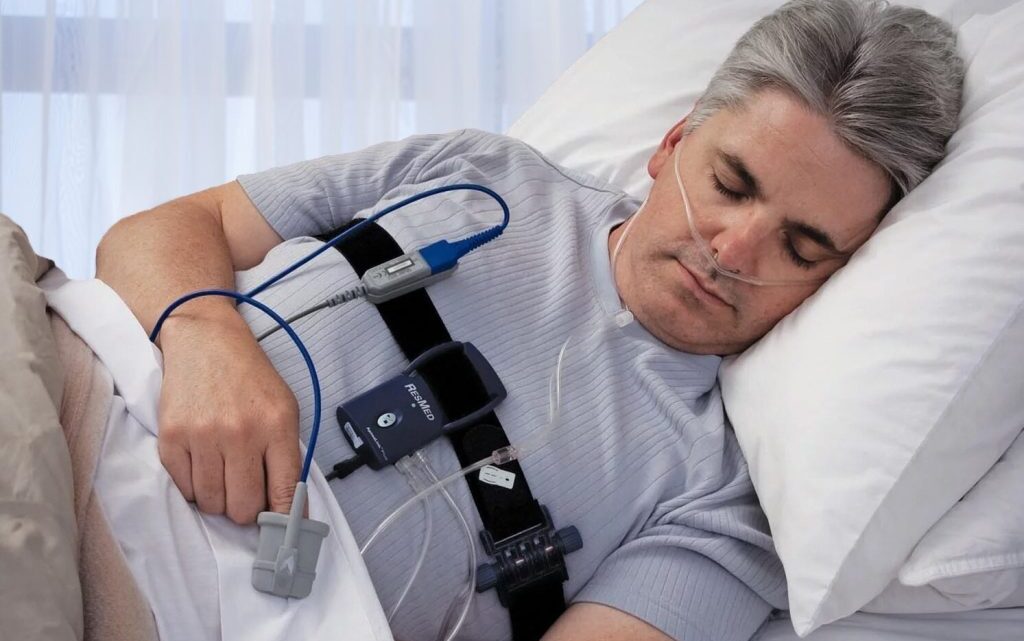
A sleep test is not just for people who feel tired. It is for anyone whose nights look risky, fragmented, or unusually restless, even if they think they are “sleeping enough.”
What is a sleep test, and why might someone in Sydney need one?
A sleep test Sydney clinic may recommend measures that track what happens to breathing, oxygen levels, heart rate, and sleep stages overnight. It helps clinicians diagnose problems like obstructive sleep apnoea, insomnia patterns, restless legs, and other sleep-related breathing issues.
In Sydney, people often seek testing after a partner notices symptoms, a GP flags risk factors, or daytime function drops. The point is simple: guessing wastes time, while testing shows what is actually happening.
Warning sign #1: Are they snoring loudly and still waking up tired?
Loud snoring plus unrefreshing sleep is one of the most common red flags for sleep apnoea. If they snore most nights and wake feeling drained, their breathing may be repeatedly interrupted.
It matters because repeated airflow blockages can fragment sleep without them remembering. A sleep test can confirm whether snoring is harmless or linked to oxygen drops and repeated arousals.
Warning sign #2: Have they been told they stop breathing, gasp, or choke at night?
If someone reports pauses in breathing, gasping, or choking sounds, they should treat it as urgent. Those events can indicate obstructive sleep apnoea, where the airway narrows or collapses during sleep.
This is not just “bad sleep.” A sleep test can quantify how often events occur, how low oxygen falls, and how hard the body works to restart breathing.
Warning sign #3: Are they excessively sleepy during the day, even after a full night?
Daytime sleepiness that feels uncontrollable is a major sign something is wrong. If they nod off while reading, watching TV, commuting, or in meetings, sleep quality may be severely impaired.
This affects safety and performance, especially for drivers, shift workers, and people in high-focus roles. A sleep test helps identify whether sleep apnoea, fragmented sleep, or another sleep disorder is behind the fatigue.
Warning sign #4: Do they wake with headaches, dry mouth, or frequent night-time bathroom trips?
Morning headaches and dry mouth can point to disrupted breathing and low-quality sleep. Frequent night-time urination can also be linked to sleep apnoea because repeated arousals and oxygen stress can trigger hormonal changes.
These symptoms are often treated separately, which can miss the root cause. A sleep test can connect the dots by showing breathing events, arousals, and oxygen patterns across the night.
Warning sign #5: Are mood, concentration, blood pressure, or heart symptoms getting worse?
When sleep is disrupted for months or years, it can show up as irritability, low mood, anxiety, poor focus, and memory lapses. It can also coincide with worsening blood pressure or cardiovascular risk, especially in people who already have risk factors.
They do not need to wait for a crisis to investigate. A sleep test can provide objective evidence that guides treatment, which may improve daytime function and reduce longer-term health strain.
What should they expect from a sleep test in Sydney?
Most people start by speaking to a GP, who may refer them to a sleep physician or a sleep service. Depending on symptoms and risk, they may be offered either a home-based study or an in-lab test.
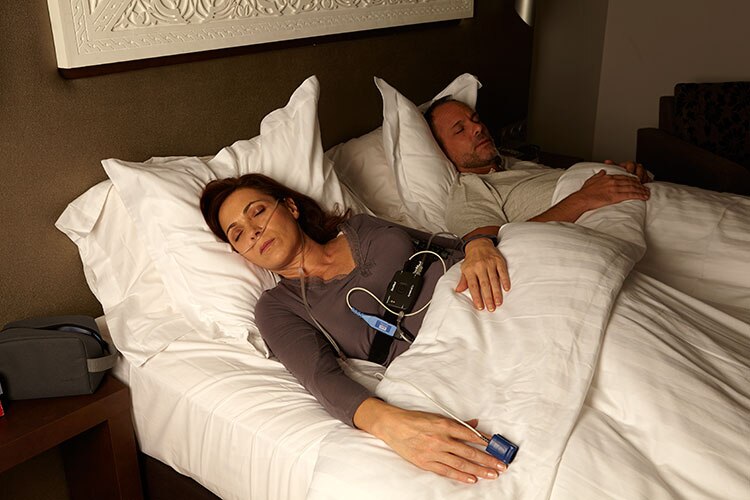
Home studies are typically focused on breathing and oxygen levels, while in-lab studies can capture more detailed sleep staging and movement data. Either way, the goal is clarity: a report that explains what happened and what to do next.
What happens after the results come back?
If results show sleep apnoea, treatment may include CPAP therapy, oral appliances, positional therapy, weight management strategies, or ENT assessment when appropriate. If the issue is insomnia or another non-breathing problem, they may be guided toward behavioural sleep therapy, medication review, or further specialist work-up.
The next step should match the diagnosis, not assumptions. With results in hand, they can move from “trying everything” to a targeted plan that actually fits their sleep problem.
When should they book a sleep test instead of waiting?
They should book sooner if there are witnessed breathing pauses, severe daytime sleepiness, or safety risks like drowsy driving. They should also act quickly if symptoms are worsening, or if they have high blood pressure, diabetes, or heart-related concerns alongside poor sleep.
Ignoring warning signs rarely makes sleep problems disappear. Testing turns vague symptoms into a measurable answer, which is often the first real step toward better sleep.
FAQs (Frequently Asked Questions)
What is a sleep test and why might someone in Sydney need one?
A sleep test measures breathing, oxygen levels, heart rate, and sleep stages overnight to diagnose conditions like obstructive sleep apnoea, insomnia patterns, restless legs, and other sleep-related breathing issues. In Sydney, people often seek testing after symptoms are noticed by partners or GPs, or when daytime function declines. Testing provides clear answers rather than guessing.
What are the warning signs that indicate I should consider a sleep test in Sydney?
Key warning signs include loud snoring with unrefreshing sleep, witnessed pauses in breathing or choking at night, excessive daytime sleepiness despite adequate sleep duration, waking with headaches or dry mouth, frequent night-time urination, and worsening mood, concentration, blood pressure, or heart symptoms. These signs warrant prompt evaluation through a sleep test.
How does a sleep test in Sydney help diagnose obstructive sleep apnoea?
A sleep test records breathing patterns overnight to detect airflow blockages that cause snoring and repeated interruptions in breathing. It quantifies how often breathing stops or reduces (apnoeas), oxygen drops occur, and how the body responds to restart breathing. This objective data confirms whether symptoms like loud snoring and gasping indicate obstructive sleep apnoea requiring treatment.
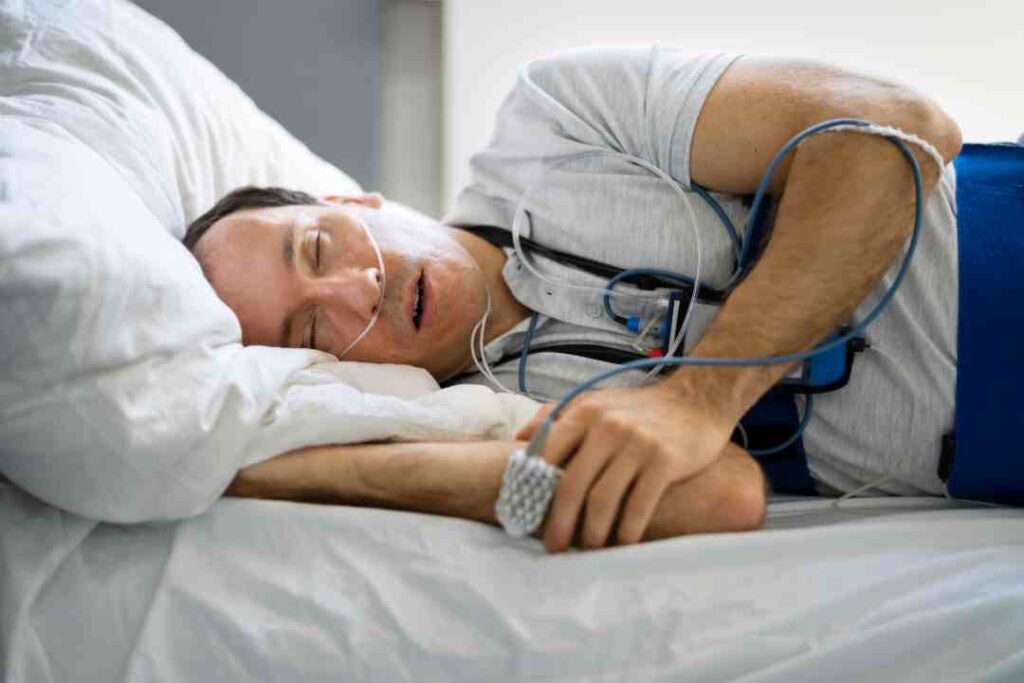
What can I expect during a sleep test in Sydney?
After consulting a GP who may refer you to a sleep specialist or service, you may undergo either a home-based study focusing on breathing and oxygen levels or an in-lab test capturing detailed data including sleep stages and movements. The goal is to obtain a clear report explaining your sleep patterns and guiding appropriate treatment options.
What happens after receiving the results of my sleep test in Sydney?
Treatment depends on the diagnosis: if obstructive sleep apnoea is confirmed, options include CPAP therapy, oral appliances, positional therapy, weight management strategies, or ENT assessment. For insomnia or other non-breathing disorders, behavioural therapies or medication reviews may be recommended. The results enable a targeted treatment plan tailored to your specific condition.
When should I book a sleep test instead of waiting?
You should book a sleep test promptly if you experience witnessed breathing pauses during sleep, severe daytime drowsiness affecting safety (such as drowsy driving), worsening symptoms over time, or have underlying conditions like high blood pressure, diabetes, or heart disease alongside poor sleep. Early testing helps identify problems accurately and initiates effective treatment sooner.
See Also: Sleep apnea test Canberra: when to see a specialist.