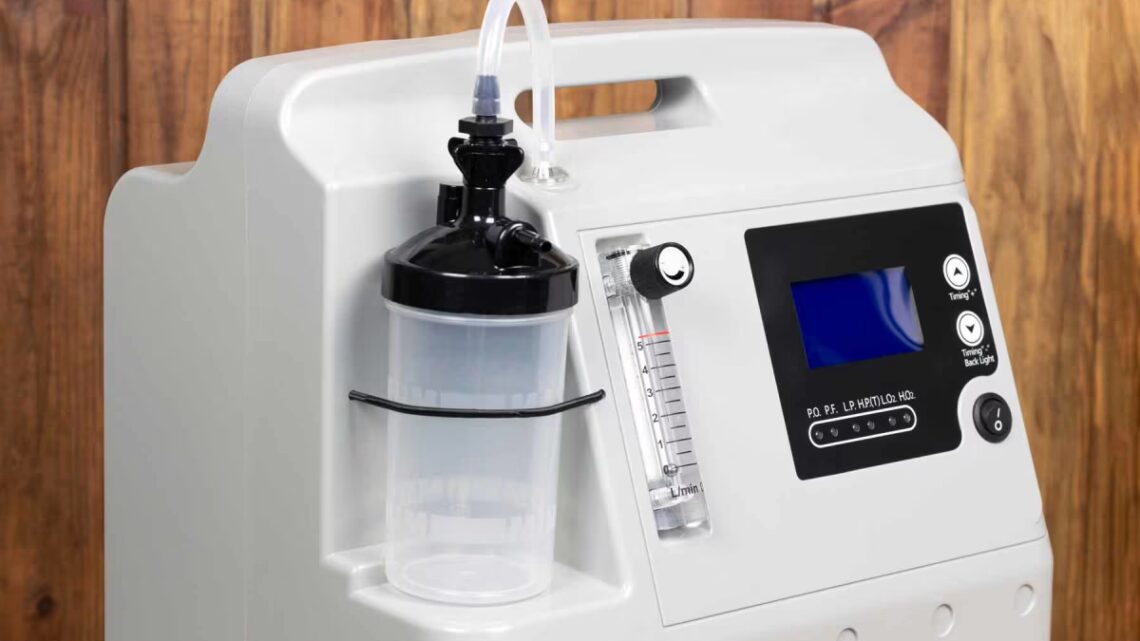
Accessing reliable medical oxygen supplies is a critical priority for patients managing chronic respiratory conditions in Melbourne. Whether you are transitioning from hospital care to home-based recovery or managing long-term COPD, understanding the nuances of oxygen delivery systems ensures safety, compliance, and improved quality of life.
This comprehensive guide explores the essential equipment required for home oxygen therapy, the regulatory landscape in Victoria, and how to select the right oxygen mask for home use to ensure maximum therapeutic efficacy.
What are Medical Oxygen Supplies?
Medical oxygen is a clinical-grade gas administered at concentrations higher than the 21% found in ambient air. Unlike industrial oxygen, medical-grade oxygen is strictly regulated by the Therapeutic Goods Administration (TGA) in Australia to ensure it is free from contaminants.
Medical oxygen supplies encompass the entire ecosystem of delivery, including:
- Oxygen Sources: Concentrators (stationary and portable) and compressed gas cylinders.
- Delivery Interfaces: Nasal cannulas and various types of oxygen masks.
- Regulatory Accessories: Flowmeters, humidifiers, and high-pressure regulators.
The Role of Supplemental Oxygen in Respiratory Care
For residents in Melbourne’s varying climate, supplemental oxygen acts as a bridge to maintain arterial oxygen saturation ($SpO_2$) within a healthy range (typically 88% to 92% for COPD patients, or higher for those without underlying lung disease). It reduces the workload on the heart and decreases the sensation of breathlessness (dyspnea).
Types of Oxygen Delivery Systems Available in Melbourne
When sourcing equipment, the choice depends on the patient’s lifestyle, prescribed flow rate (liters per minute), and the duration of therapy required daily.
1. Home Oxygen Concentrators
These are the workhorses of home therapy. They draw in room air, filter out nitrogen, and deliver purified oxygen to the patient.
- Pros: Never runs out of oxygen; cost-effective for 24/7 use.
- Cons: Requires constant electricity; can be noisy and generate heat.
2. Portable Oxygen Concentrators (POCs)
Designed for Melbourne’s active residents, POCs are battery-operated units that allow for mobility.
- Pulse Dose Technology: Most POCs deliver oxygen only when the patient inhales, conserving battery life.
- Travel Compliance: Most models are FAA-approved for flights leaving Melbourne Airport.
3. Compressed Gas Cylinders
These are used primarily as back-ups during power outages or for patients requiring high-flow oxygen that a POC cannot provide.
- Sizes: Common sizes include “C” and “D” cylinders, often stored in specialized trolleys.
Choosing the Right Oxygen Mask for Home Use
While nasal cannulas are common for low-flow therapy, an oxygen mask for home use is often necessary for patients requiring higher concentrations or those who breathe primarily through their mouths.
Comparison of Home Oxygen Interfaces
| Mask Type | Flow Rate Range | Best Use Case |
| Simple Face Mask | 5–10 LPM | Short-term use, mouth breathers. |
| Non-Rebreather Mask | 10–15 LPM | High-concentration requirements; emergency use. |
| Venturi Mask | Variable | Precise $FiO_2$ delivery for COPD patients. |
| Nasal Cannula | 1–6 LPM | Long-term, low-flow therapy; allows eating/talking. |
Fitting and Comfort
In Melbourne’s humid summers or dry winters, skin irritation around the bridge of the nose and behind the ears is a common complaint. Using medical-grade, latex-free silicone masks can significantly reduce the risk of pressure sores and “mask leak,” which compromises the dosage of oxygen received.
Best Practices for Managing Home Oxygen Therapy
To ensure the longevity of your medical oxygen supplies and the safety of your household, follow this structured management framework:
1. Equipment Setup and Placement
- Ventilation: Place concentrators at least 30cm away from walls or curtains to allow for heat dissipation.
- Fire Safety: Never smoke or use open flames (including gas stoves or candles) within 3 meters of oxygen equipment.
- Signage: Display “No Smoking – Oxygen in Use” signs at the entry of your Melbourne home.
2. Routine Maintenance Schedule
- Daily: Wash the nasal cannula or mask with mild soap and warm water.
- Weekly: Clean the gross particle filter on the concentrator.
- Monthly: Inspect tubing for kinks or cracks.
- Annually: Schedule a professional service with a Melbourne-based biomedical technician.
3. Monitoring Therapy
Use a pulse oximeter to track oxygen saturation levels. If your $SpO_2$ drops below your doctor’s recommended threshold despite using the equipment, contact your respiratory physician immediately.
Common Mistakes to Avoid with Medical Oxygen
Even with the best medical oxygen supplies, improper usage can lead to “oxygen toxicity” or ineffective treatment.
- Adjusting Flow Rates Without Consultation: Increasing the LPM (liters per minute) without a prescription can lead to CO2 retention in certain patients.
- Using Oil-Based Moisturisers: Petroleum jelly (Vaseline) or oil-based creams can ignite in the presence of high-concentration oxygen. Use water-based lubricants only.
- Ignoring Backup Plans: Melbourne’s unpredictable weather can occasionally lead to power outages. Always have a full backup cylinder and a manual regulator ready.
- Extension Tubing Length: Avoid using more than 15 meters of tubing, as this can lead to a drop in the actual pressure delivered to the mask.
How to Access Oxygen Supplies in Melbourne
In Victoria, oxygen therapy is usually initiated through a specialist respiratory physician.
The SWEP Program
The State-wide Equipment Program (SWEP) provides subsidized oxygen for eligible Victorian residents. To access this, an assessment by a prescribing practitioner (such as those at The Alfred or Royal Melbourne Hospital) is required.
Private Purchase vs. Rental
- Rental: Ideal for short-term recovery or for those who want the provider to handle all maintenance.
- Purchase: More cost-effective for long-term users (2+ years). Ensure the provider offers local Melbourne-based support for repairs.
Frequently Asked Questions (FAQ)
What is the difference between a pulse dose and continuous flow?
Pulse dose delivery provides a “bolus” of oxygen triggered by your inhalation, making it efficient for portable units. Continuous flow provides a steady stream regardless of your breathing pattern, which is necessary for sleep or high-flow needs.
Can I use a CPAP machine with my oxygen supplies?
Yes. Many patients in Melbourne use “bleed-in” adapters to connect their oxygen concentrator to their CPAP or BiPAP machine for treating sleep apnea alongside respiratory failure.
How often should I replace my oxygen mask for home use?
For hygiene and seal integrity, face masks should generally be replaced every 2 to 4 weeks. If the plastic becomes stiff or discolored, replace it immediately.
Is medical oxygen flammable?
Oxygen itself is not flammable, but it is an oxidizer. This means it makes anything that is burning burn much faster and hotter. It turns materials that wouldn’t normally burn into highly combustible fuels.
Are there mobile technicians for oxygen repair in Melbourne?
Yes, most reputable suppliers in Melbourne offer 24/7 emergency support for concentrator failures and provide on-site repairs or loaner units.
Conclusion
Securing high-quality medical oxygen supplies is the foundation of effective respiratory management for many Melburnians. By selecting the appropriate oxygen mask for home use and adhering to strict safety and maintenance protocols, patients can maintain their independence and health.
Always consult with a healthcare professional before making changes to your oxygen therapy. If you are looking to upgrade your current setup or need advice on the latest portable technology, your next step should be a consultation with a certified equipment specialist.